Subham Srivastava

Resume | LinkedIn | GitHub
Expert in Data Science, Machine Learning, and AI with experience at BuzzClan, BD and TCS in advanced data solutions. Holding a degree from IIIT Bangalore in Data Science and AI.
Data Science Portfolio
Machine learning & Artificial Intelligence
AI-Driven Meta-Human Interviews: Redefining the Future of Hiring
Developed an AI-powered meta-human bot for candidate interviews, enhancing recruitment efficiency by reducing interview time by 70% for a UAE-based recruitment organization, while providing real-time candidate evaluation for faster, data-driven decision-making.


Customer Communication Preference Predictor
This project leverages data analytics and machine learning to analyze and predict customer preferences for communication channels (Email, SMS, Push Notifications) based on message type (promotional & trigger). By optimizing engagement strategies, it enhances customer experience and improves marketing efficiency.

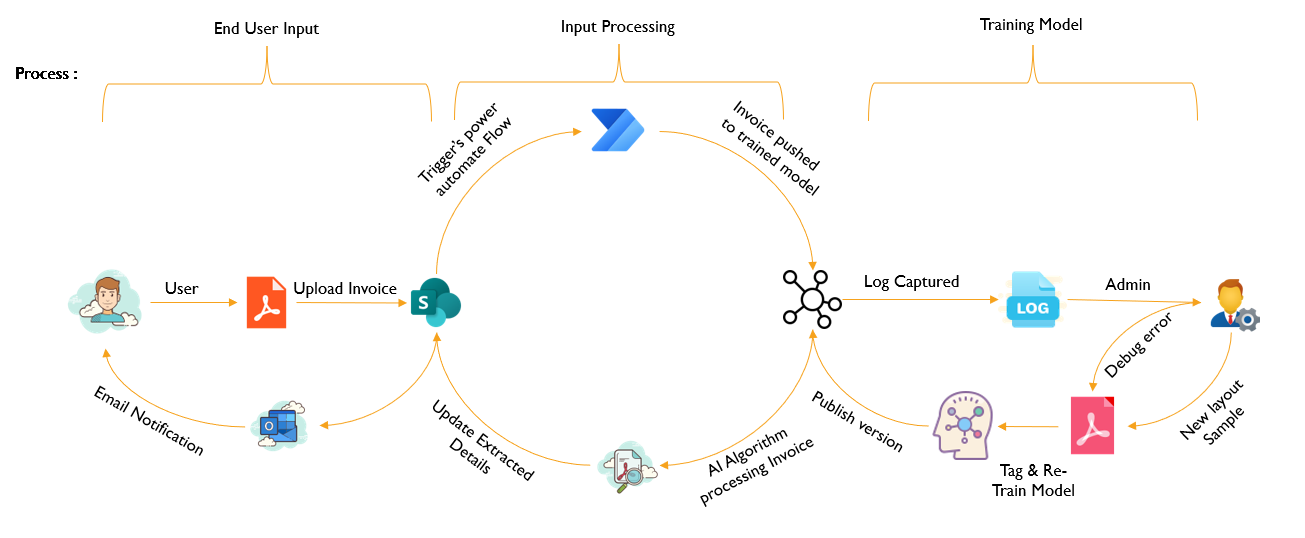
Revolutionizing Pharmaceutical Logistics: AI-Powered Invoice Processing
Led development of end-to-end AI-powered invoice processing, leveraging NLP, OCR, and RPA technologies, resulting in 5000+ man-hours saved and a 90% improvement in efficiency.
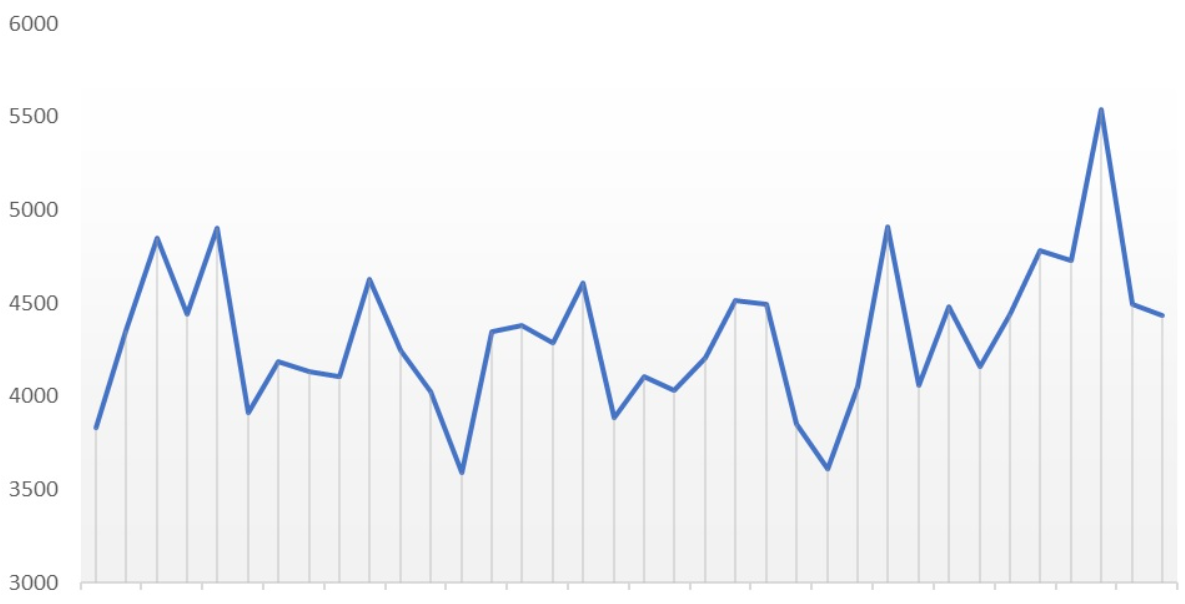
Time Series Demand Forecasting For BDX
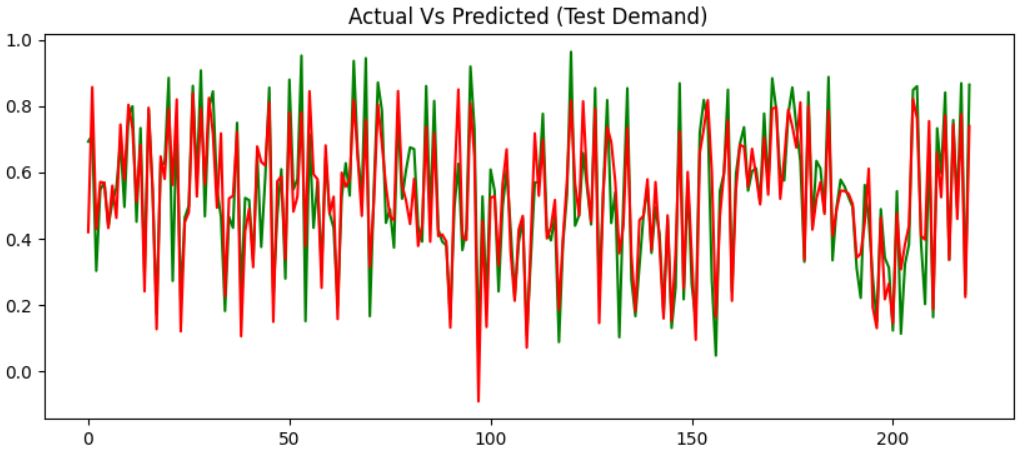
Collaboratively developed a highly accurate multivariate demand forecasting model with BCG, utilizing tree-based ensemble models, feature engineering, and hyperparameter tuning. Achieved 80-85% forecast accuracy, resulting in reduced inventory levels, minimized backorders, and enhanced production planning efficiency.
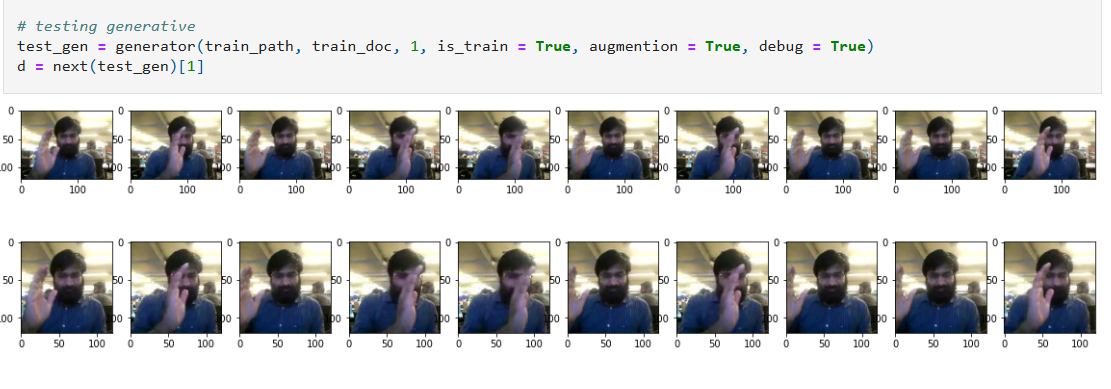
Next-Gen Neural Networks: Revolutionizing Smart Appliance Interaction with Gesture Recognition
This project aimed to develop a smart TV feature for recognizing five user gestures: thumbs up, thumbs down, left swipe, right swipe, and stop. It involved testing various models using a dataset of short videos. The top performer was transfer learning with VGG16, achieving 99.5% training accuracy and 85% validation accuracy. CNN + RNN models also showed strong performance with 90% training accuracy and 75% validation accuracy. However, Conv3D models faced challenges with accuracy and overfitting.
In conclusion, VGG16 emerged as the most effective model for gesture recognition, showcasing its ability to leverage pre-trained knowledge effectively. CNN + RNN architectures also demonstrated robust performance in capturing both spatial and temporal features from video data. These insights not only optimize gesture recognition systems for smart TV interfaces but also mark a significant stride toward smarter appliance interaction
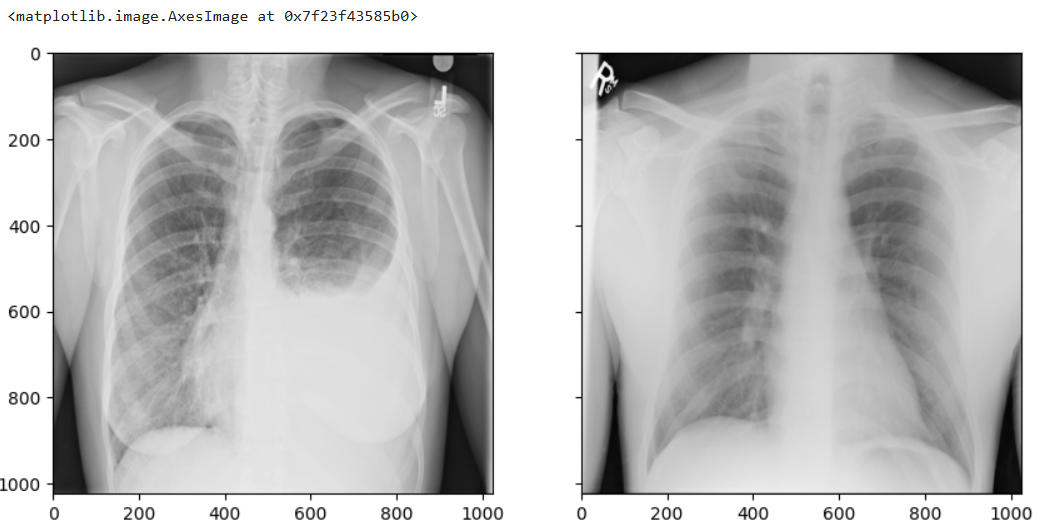
Detecting Effusions in Chest X-Ray Images Using Neural Networks
This project leverages neural networks to analyze Chest X-Ray (CXR) images for identifying “effusion” (fluid in the lungs) versus ‘nofinding’ (normal). Key steps included standardizing image resolution, applying morphological operations, normalization, and augmentation for data pre-processing. The model was built using AUC as the evaluation metric and incorporated weighted cross-entropy to handle class imbalance.
Thorough experiments were conducted, including ablation studies and hyperparameter tuning. The final model achieved 90% accuracy and 88% AUC, with significant improvements in the ROC curve due to the use of weighted cross-entropy. Technologies used include numpy, pathlib, ResNet, keras, and tensorflow.
Deep Learning for Dermatology: Melanoma Detection with CNNs
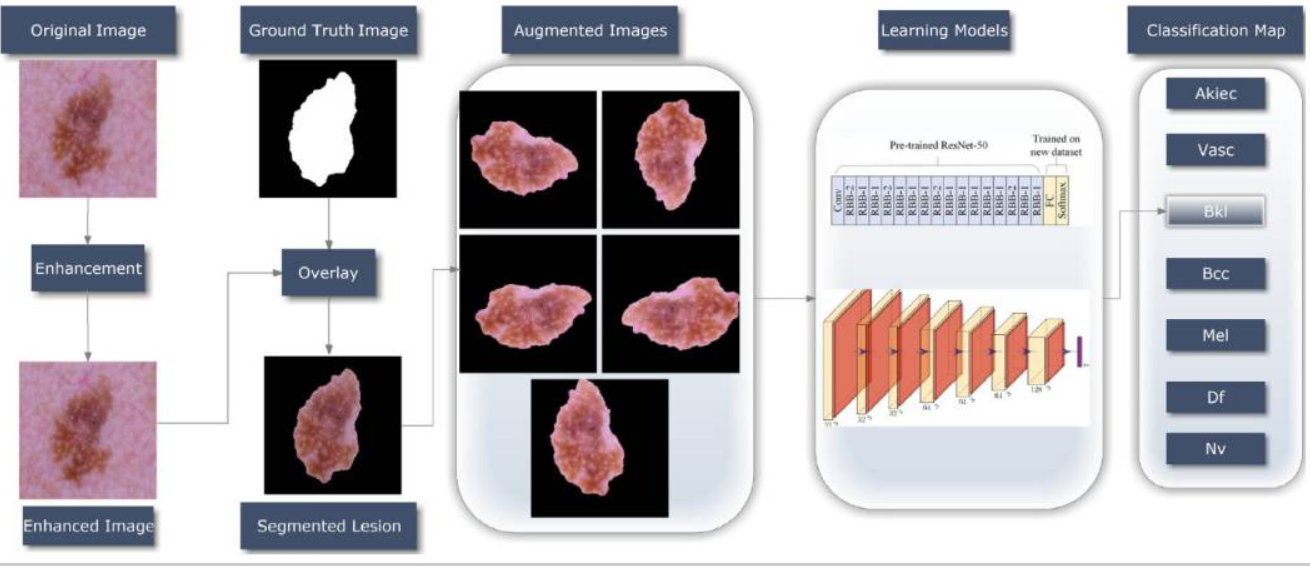
The CNN-based model I constructed accurately detects melanoma, a type of skin cancer responsible for 75% of skin cancer deaths, which can be deadly if not detected early. An automated solution that evaluates images and alerts dermatologists about the presence of melanoma has the potential to significantly reduce manual diagnostic efforts. The model achieved accuracy of 90% after addressing class imbalance through data augmentation. Technologies used include numpy, skimage, keras and tensorflow. The project steps involved data reading and understanding, dataset creation and visualization, model building and training, analyzing model overfit/underfit, applying data augmentation to resolve class imbalances, and training a final CNN model to accurately detect nine classes of melanoma.
Revolutionizing Customer Support: AI Model Uncovers True Drivers Behind Support Tickets
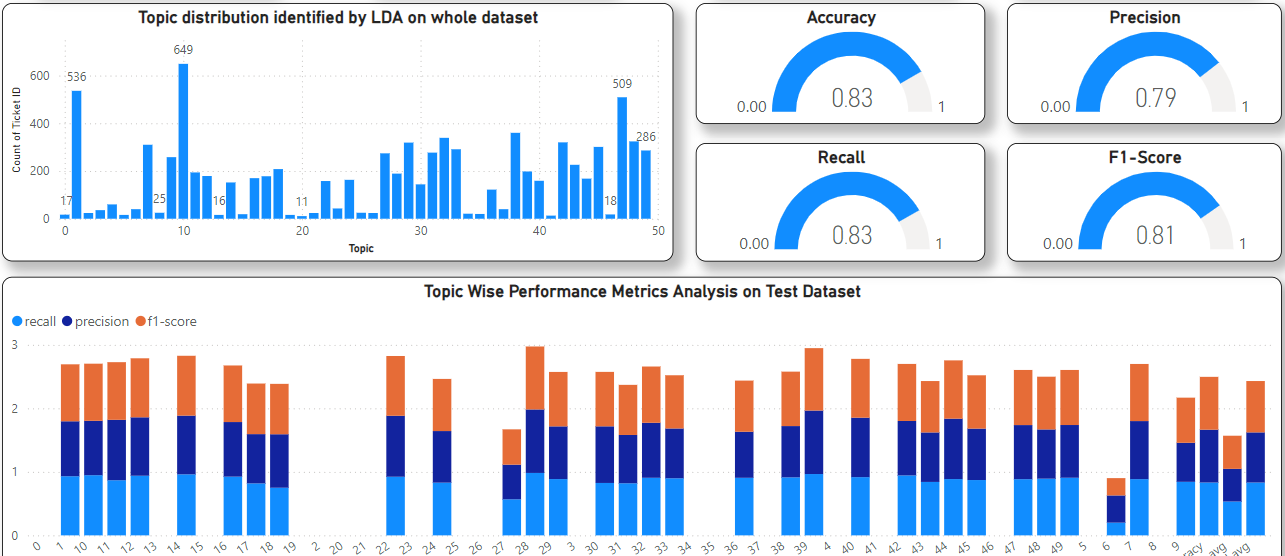
Addressing challenges with unreliable CRM fields, our project focused on accurately classifying customer support tickets using advanced machine learning techniques. Leveraging the Customer Support Ticket Dataset from Kaggle, we utilized Python to preprocess and analyze the data, achieving a notable 92% accuracy in ticket classification.
By implementing both unsupervised topic modeling and supervised classification approaches across 50 predefined topics, we uncovered key insights into global customer support trends. These insights were visualized in Power BI, providing interactive dashboards for stakeholders to navigate and understand ticket drivers effectively.
This initiative not only enhances operational efficiency but also empowers global contact centers with actionable insights for informed decision-making and improved customer service delivery.
Sterilization Chamber Capacity Utilization Across BDX
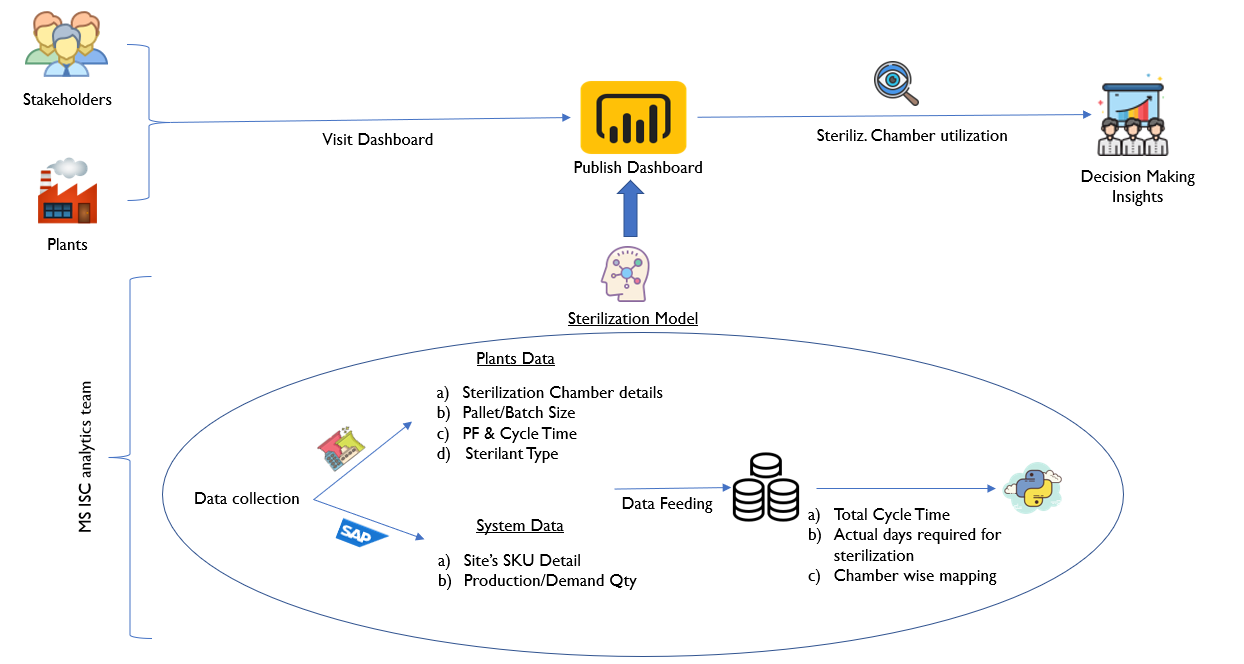
Designed and implemented a forecasting algorithm for sterilization chamber capacity across 30 manufacturing sites, utilizing time series analysis techniques, ARIMA, and SARIMA models, resulting in a significant 40% improvement in Overall Equipment Efficiency (OEE).
Bike Sharing Demand Problem
Build a Multiple linear regression model to solve bike sharing problem for a company. We are required to build a shared bikes demand model with the available independent variables. It will be used by the management to understand how exactly the demands vary with different features. They can accordingly manipulate the business strategy to meet the demand levels and meet the customer’s expectations. Further, the model will be a good way for management to understand the demand dynamics of a new market.
Lending Club CaseStudy
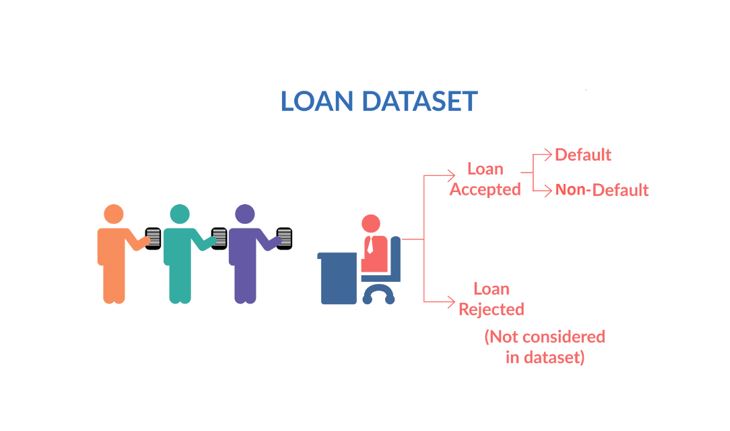
Lending company wants to understand the driving factors (or driver variables) behind loan default, i.e. the variables which are strong indicators of default. The company can utilize this knowledge for its portfolio and risk assessment. This is an assignment provided by IIT B Upgrad program, It will give an idea about how real business problems are solved using EDA. In this case study, apart from applying the techniques i have learnt in EDA, I have also developed a basic understanding of risk analytics in banking and financial services and understand how data is used to minimise the risk of losing money while lending to customers. The dataset is obtained from lending club portal. It contains the complete loan data for all loans issued through the time period 2007 t0 2011.
User’s Account Provisioning/Deprovisioning
Led a cross-functional team in implementing an end-to-end user account management automation solution, leveraging UiPath (RPA tool) and data analysis techniques to improve efficiency. Achieved a significant 60% increase in operational efficiency by eliminating manual tasks, reducing processing time, and optimizing user account management processes.